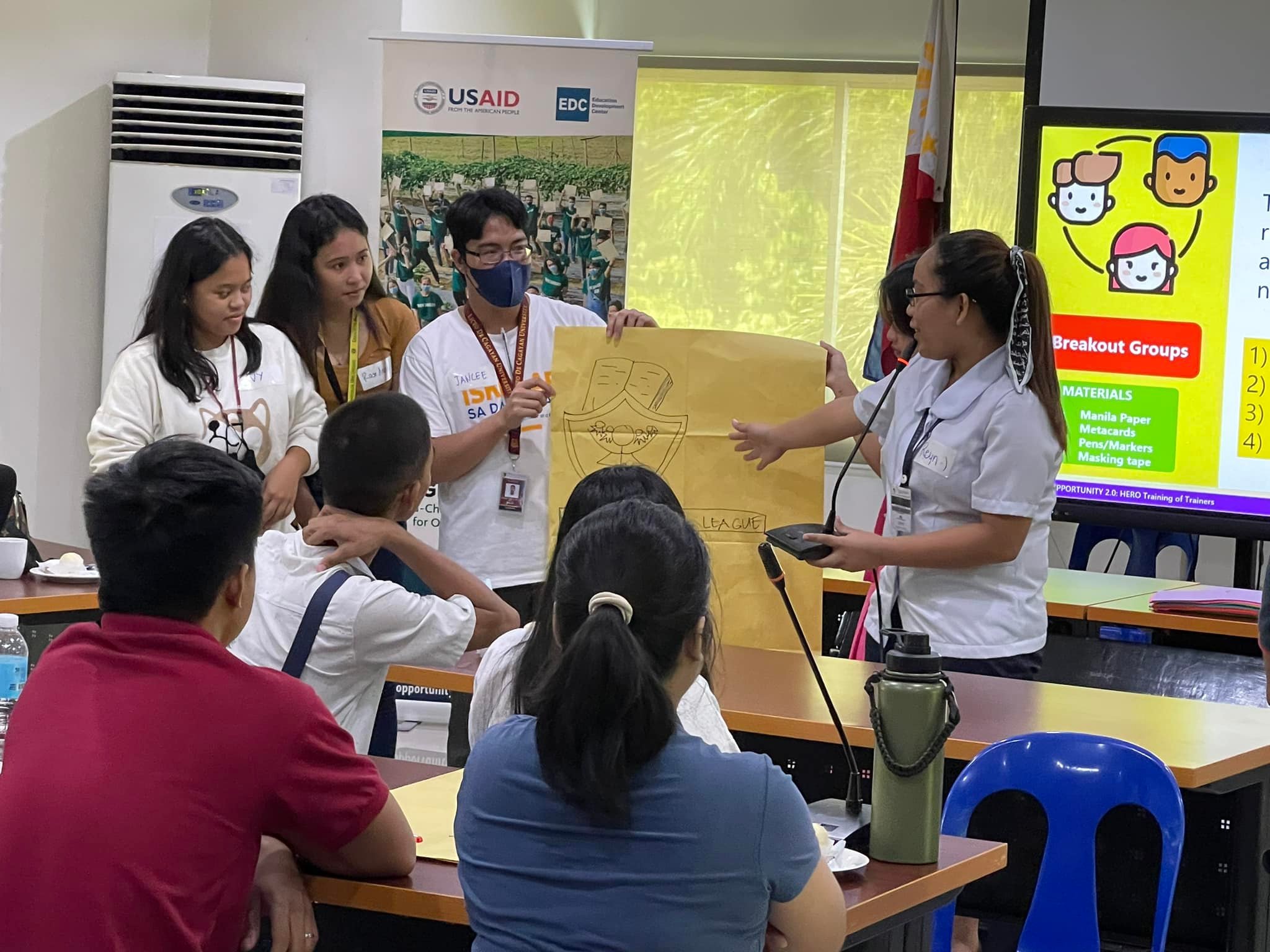
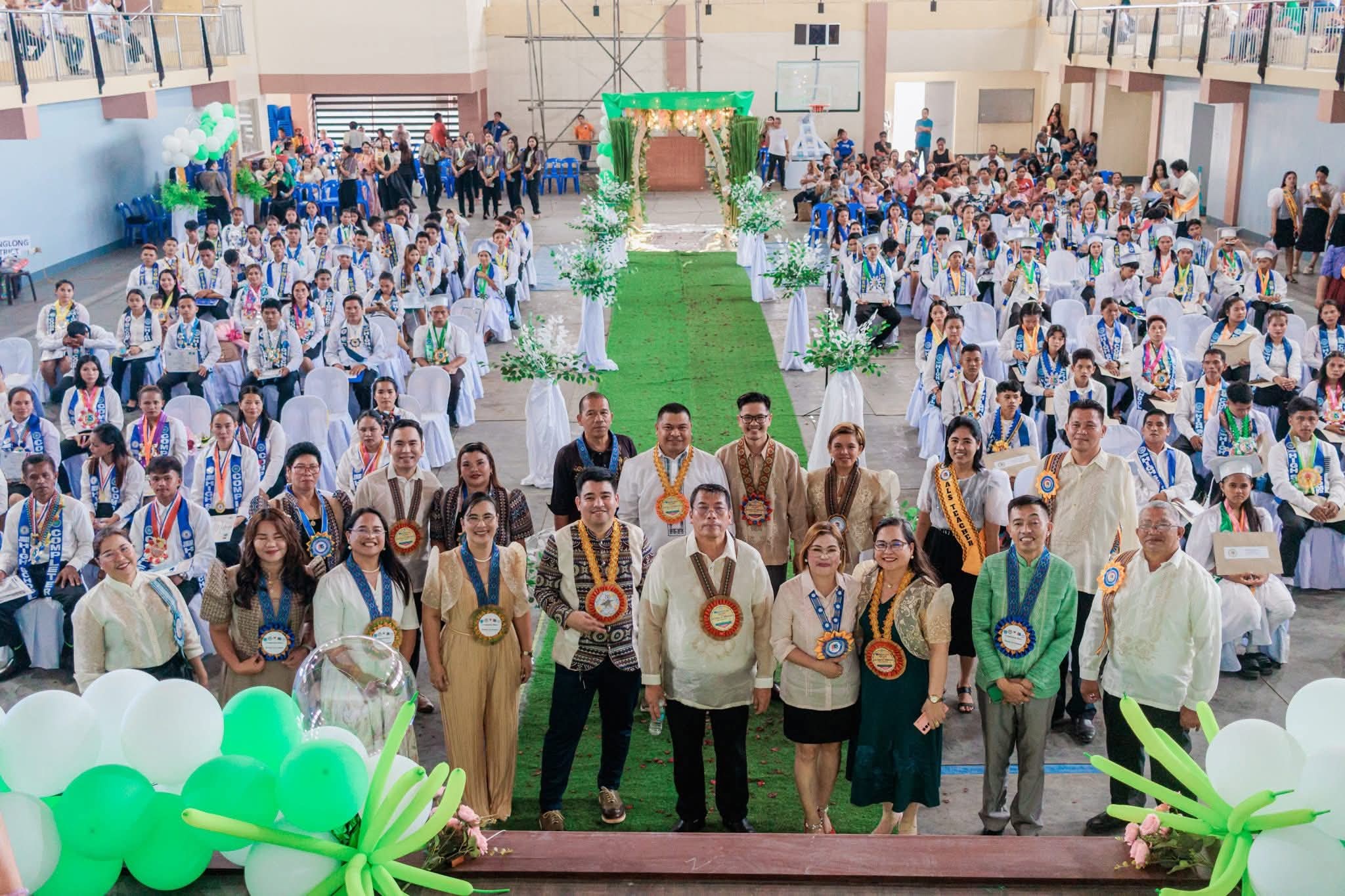
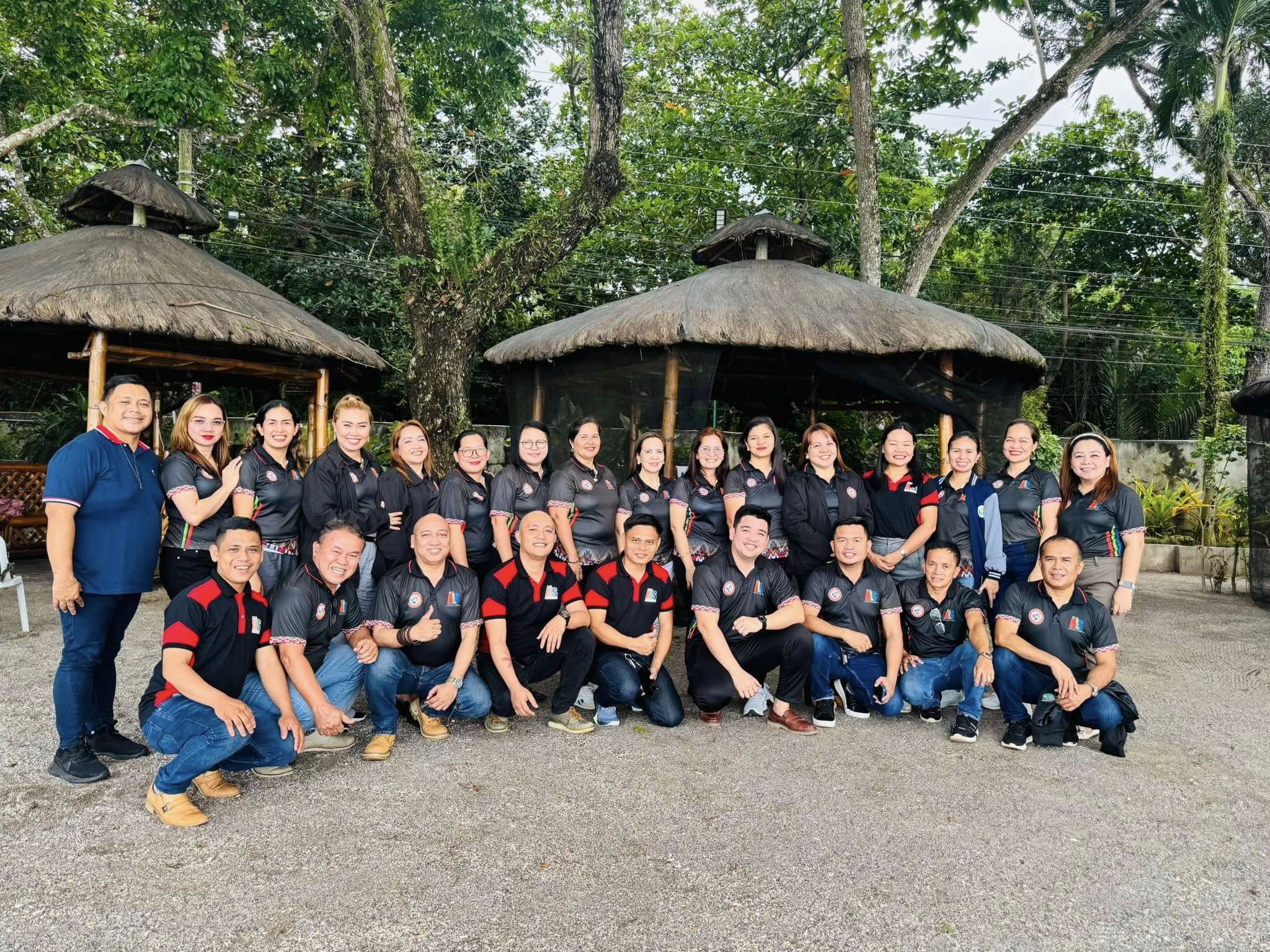
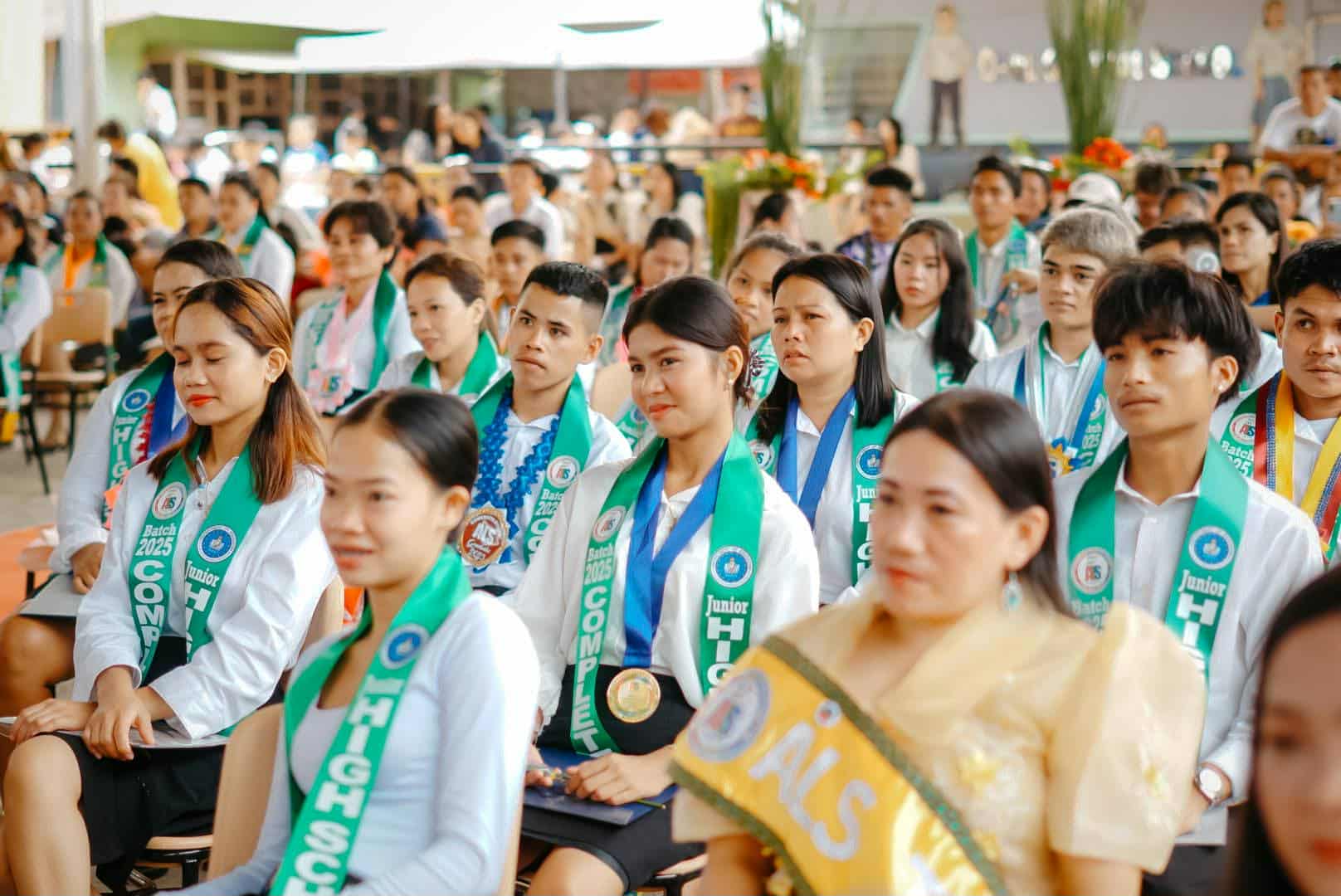
The Alternative Learning System (ALS) is a parallel learning
system in the Philippines that provides a practical option to the existing formal instruction. It is
designed for out-of-school youth and adults who are unable to access or finish formal basic education.
ALS offers flexible learning that adapts to the learner's available time, location, and resources. With
trained mobile teachers and community learning centers, ALS brings education directly to the
underserved, empowering them to improve their quality of life.
Click image to view gallery
Frequently Asked Questions
What is ALS?
The Alternative Learning System, or ALS, is defined by Republic Act No. 11510 as a parallel learning system that provides a practical and flexible alternative to formal basic education. It is designed to meet the needs of Filipinos who, for various reasons, cannot access or complete regular schooling. ALS makes use of both nonformal and informal education approaches, anchored on the ALS K to 12 Basic Education Curriculum, which is benchmarked on the formal K to 12 curriculum. Its goal is to equip learners with essential knowledge, values, and 21st-century skills—such as communication, technology, and life skills—so they can pursue further education, employment, or self-employment
Who can enroll in ALS?
Enrollment in ALS is open to out-of-school children in special cases and adults who have not completed basic education. This includes learners who are unable to attend formal school due to poverty, disability, displacement, conflict, or other barriers. It also covers indigenous peoples, persons deprived of liberty, and other marginalized groups. In short, ALS is inclusive by design, ensuring that every Filipino—regardless of circumstance—has the opportunity to continue learning and improving their quality of life.
Where can I join ALS?
ALS programs are delivered through Community Learning Centers (CLCs), which every city and municipality is mandated to establish under RA 11510. These centers are open seven days a week and serve as hubs for learning activities. In addition, DepEd schools may be used as ALS venues during weekends or after regular class hours. For learners in far-flung or underserved areas, ALS is brought directly to them through mobile teachers, community ALS implementors, and learning facilitators, ensuring that education reaches even the most remote communities.
Is there a certificate after completing ALS?
Yes. Learners who complete ALS may take the Accreditation and Equivalency (A&E) Assessments, which certify their learning achievements at the elementary, junior high school, or senior high school levels. Those who pass the elementary level assessment may proceed to junior high school, while junior high passers may enroll in senior high school or TESDA programs. Senior high passers, on the other hand, may pursue higher education, technical-vocational training, or employment. RA 11510 also provides for micro-certification, which allows learners to earn credentials for specific competencies that can be used for job applications or livelihood opportunities. These certifications are officially recognized by DepEd and serve as valid pathways back into formal education or the workforce.